
Kensington Physio Home Kensington Physio Testimonials A Combined Approach to Rehabilitation
Kensington Physio Home

Is One Leg Longer Than the Other?

Navigate Testimonials


HealthThough you may not realize it, most of us have
legs of slightly different length.

Though the body can usually compensate for the difference, for some people this difference is too great, leading to hip, back, knee, or foot pain, particularly if they start a program of brisk walking or running (or any weight-bearing activity), or even if they spend a lot of time standing. Legs of unequal length may cause problems for a beginning runner, because posture is distorted, affecting the ability to withstand the impact of running. The pain can occur on the side of the longer or shorter leg.

Anatomical vs. Functional Differences

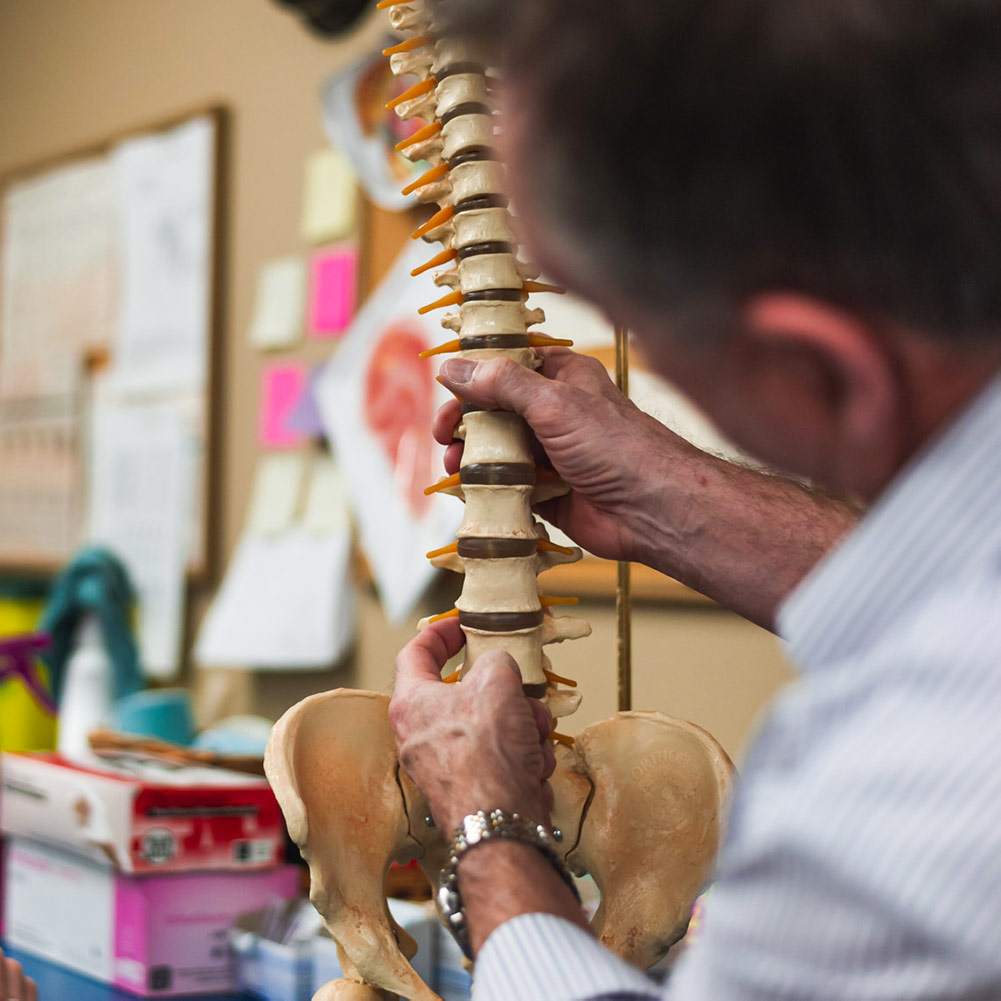
Leg length differences come in two types. The first is anatomical or structural shortening, possibly caused by a leg fracture or by an inherited abnormality. The second is a functional difference where the legs are actually the same length: For example, if the feet hit the ground differently – most often one foot pronates (rolls slightly inward), so that the leg is functionally “shorter”. In the case that the pelvis tilts slightly, such as if you have a muscle imbalance or your pelvis is asymmetrical – or if you’ve had a total hip replacement, it twists the vertebrae and puts strain on the ligaments and muscles in your back and elsewhere. How much of a difference is significant is still in dispute. One study found that a difference of 2 centimeters (roughly 4/5 of an inch) or more increases the risk of osteoarthritis of the knee and hip. But in some cases even smaller discrepancies can cause problems.

Measuring Your Legs

If you’ve stepped up your exercise program recently and are having hip, back, or leg pain, you should consult a physician, podiatrist, or physical therapist. In fact, anybody who’s having back pain should have his/her legs measured. It’s difficult, if not impossible to measure your own legs accurately, but if one of your feet is excessively pronated, you may notice that when you put your feet together, your inside ankle bones are at slightly different heights. Or check the shape and wear patterns of your exercise shoes.

The only accurate way to measure your legs is with X-rays, but this is rarely necessary. A professional who observes your gait carefully and uses a tape measure can measure them – this is less reliable but usually sufficient. If a structural problem is involved, inexpensive shoe lifts (placed inside or on the outside of shoes) will often correct the problem or specially prescribed orthotic devices may be required. If it’s a functional problem, your physiotherapist may prescribe certain stretching and strengthening exercises.

Final note

If you suspect your legs are unequal, but you suffer no pain or discomfort, don’t concern yourself with it. We’re all asymmetrical in one way or another! However, consult your physiotherapist if the difference is great or you’re worried about it. You may be a candidate for orthotics.


Previous Testimonial Next Testimonial Back to Main Testimonials Page